

News
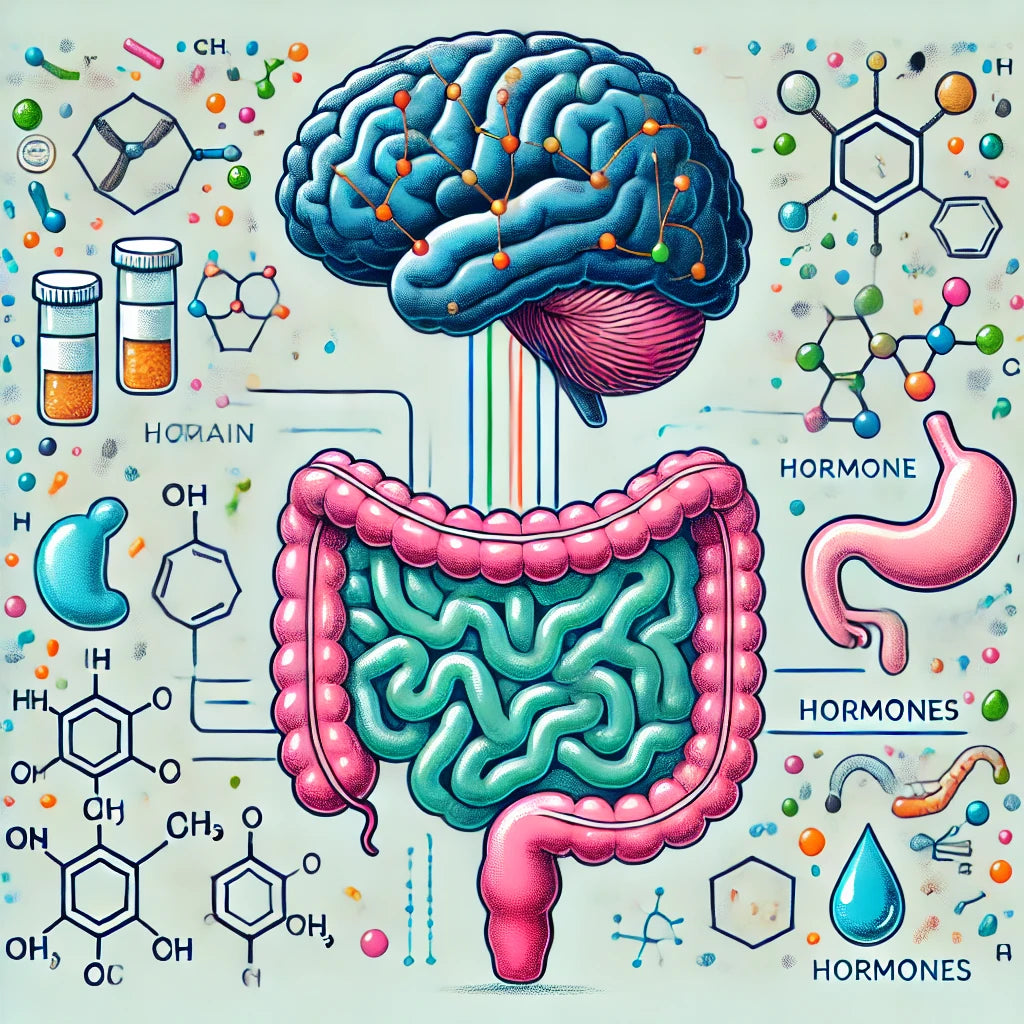

Testosterone & Libido: (Say these five times fast): The hypothalamus, amygdala, preoptic, neuroplastic, dopaminergic, nucleus accumbens, and neurotransmitters role in sexual desire and performance
Testosterone, often hailed as the hormone of masculinity plays a crucial role in various bodily functions, but perhaps one of its most well-known effects is its influence on libido. While testosterone impacts many aspects of health, its effect on sexual desire is particularly profound, and this connection is deeply rooted in the brain’s physiology. The Hypothalamus: The Brain’s Libido Control Center At the heart of testosterone’s influence on libido is the hypothalamus, a small but powerful region of the brain that regulates numerous bodily functions, including sexual behavior. Within the hypothalamus lies the preoptic area, which is particularly sensitive to testosterone levels. When testosterone levels are high, this area becomes more active, leading to an increase in sexual thoughts, fantasies, and arousal. In men, the preoptic area of the hypothalamus is larger and contains a higher density of androgen receptors—proteins that bind to testosterone and mediate its effects. When testosterone binds to these receptors, it triggers a cascade of cellular events that ultimately enhance sexual desire. This is why when testosterone levels are elevated, the hypothalamus becomes more responsive to sexual stimuli, resulting in a heightened libido. Androgen Receptors: Key Mediators of Testosterone’s Effects Androgen receptors are scattered throughout various regions of the brain, including the hypothalamus, amygdala, and other areas associated with emotional regulation and sexual behavior. These receptors are the key mediators of testosterone’s effects on the brain. When testosterone binds to androgen receptors, it influences the expression of certain genes involved in sexual behavior, effectively “priming” the brain for sexual activity". The interaction between testosterone and androgen receptors in the brain not only increases sexual thoughts and fantasies but also enhances the brain’s sensitivity to sexual stimuli. This means that when testosterone levels are high, the brain is more likely to respond to sexual cues, further boosting libido. The Dopamine Connection: Reward and Motivation Dopamine, a neurotransmitter often associated with pleasure and reward, plays a significant role in the brain’s response to testosterone. Testosterone enhances the activity of the dopaminergic system, particularly in areas like the nucleus accumbens and the ventral tegmental area (VTA). These regions are part of the brain’s reward system and are crucial for feelings of pleasure and motivation. When testosterone levels are high, the release of dopamine in these areas increases, making sexual activity feel more rewarding. This creates a positive feedback loop: the more rewarding sexual activity feels, the more likely one is to seek it out, thus increasing libido. Serotonin Modulation: Balancing the Inhibitory Effects While dopamine generally promotes sexual desire, serotonin, another neurotransmitter, often has the opposite effect. Serotonin is known for its calming properties and can inhibit sexual desire. However, testosterone modulates the serotonin system in a way that reduces its inhibitory effects, allowing for increased sexual arousal. This balance between dopamine and serotonin, influenced by testosterone, is crucial for maintaining a healthy libido. Mood, Emotion, and Neuroplasticity: The Broader Impact of Testosterone Beyond the direct effects on sexual behavior, testosterone also influences mood and emotional regulation, which can indirectly enhance libido. The hormone affects brain regions like the amygdala and prefrontal cortex, improving mood and reducing anxiety or depression. A more positive emotional state often correlates with a greater interest in sexual activity. Additionally, testosterone promotes neuroplasticity, the brain’s ability to adapt and change in response to stimuli. This neuroplasticity enhances the brain’s sensitivity to sexual cues, making it more responsive to potential sexual experiences. The relationship between testosterone and libido is deeply rooted in the brain’s physiology. Through its effects on the hypothalamus, androgen receptors, the dopamine system, serotonin modulation, and broader emotional regulation, testosterone enhances the brain’s responsiveness to sexual stimuli, resulting in a heightened libido. Understanding these mechanisms provides insight into why higher testosterone levels often lead to an increased sex drive, highlighting the intricate connection between hormones and brain function. References 1. Hull, E. M., & Dominguez, J. M. (2007). Sexual behavior in male rodents. Hormones and Behavior, 52(1), 45-55. doi:10.1016/j.yhbeh.2007.03.030 2. Rupp, H. A., & Wallen, K. (2008). Sex differences in response to visual sexual stimuli: A review. Archives of Sexual Behavior, 37(2), 206-218. doi:10.1007/s10508-007-9217-3 3. Zitzmann, M., & Nieschlag, E. (2001). Testosterone levels in healthy men and the relation to behavioral and physical characteristics: Facts and constructs. European Journal of Endocrinology, 144(3), 183-197. doi:10.1530/eje.0.1440183 4. Tuiten, A., van Honk, J., Koppeschaar, H., Bernaards, C., Thijssen, J., & Verbaten, R. (2000). Time course of effects of testosterone administration on sexual arousal in women. Archives of General Psychiatry, 57(2), 149-153. doi:10.1001/archpsyc.57.2.149 5. Krüger, T. H., Haake, P., Hartmann, U., Schedlowski, M., & Exton, M. S. (2002). Orgasm-induced prolactin secretion: Feedback control of sexual drive? Neuroscience & Biobehavioral Reviews, 26(1), 31-44. doi:10.1016/s0149-7634(01)00035-7 6. Bribiescas, R. G. (2001). Reproductive physiology of the human male. Yearbook of Physical Anthropology, 44(S33), 148-176. doi:10.1002/ajpa.2001.44.s33.148
Learn more
HCG, Enclomiphene, & Gonadorelin - The Big Debate: Which is Best at Maintaining Your Testosterone Production? (see color graph below)
Testosterone Replacement Therapy (TRT) is a commonly used treatment for men with low testosterone levels, helping to restore vitality, increase muscle mass, and improve overall well-being. However, one of the potential downsides of TRT is the suppression of the body's natural testosterone production and, subsequently, its negative impact on fertility. This occurs because exogenous testosterone signals the brain to reduce the production of gonadotropins—hormones essential for stimulating the testes to produce testosterone and sperm. Several adjunct therapies can be used to counteract this suppression and maintain both endogenous testosterone production and fertility, including Human Chorionic Gonadotropin (HCG), enclomiphene, and gonadorelin. These therapies work by different mechanisms to keep the testes functioning, even when on TRT. Human Chorionic Gonadotropin (HCG) HCG is a hormone that mimics Luteinizing Hormone (LH), one of the gonadotropins naturally produced by the pituitary gland. LH is crucial for stimulating the Leydig cells in the testes to produce testosterone. When men are on TRT, their pituitary glands reduce the production of LH, leading to a decrease in natural testosterone production and potentially causing testicular atrophy. Administering HCG alongside TRT can help maintain testicular function by providing an external source of LH-like activity, ensuring the Leydig cells continue to produce testosterone and preventing the testes from shrinking. HCG is also beneficial for maintaining spermatogenesis (sperm production), as it supports the overall function of the testes. Enclomiphene Enclomiphene is a selective estrogen receptor modulator (SERM) that blocks estrogen receptors in the hypothalamus. This action prevents estrogen from signaling the brain to reduce the production of gonadotropin-releasing hormone (GnRH), which stimulates the pituitary gland to produce LH and Follicle-Stimulating Hormone (FSH). By maintaining LH and FSH production, enclomiphene helps preserve natural testosterone production and supports spermatogenesis. Unlike clomiphene, which is a mixture of two isomers (enclomiphene and zuclomiphene), enclomiphene is the more active isomer specifically targeting the hypothalamic-pituitary-gonadal axis. This makes it a more focused treatment option for men on TRT who wish to maintain their endogenous testosterone levels and fertility. Gonadorelin Gonadorelin is a synthetic version of GnRH, the hormone that stimulates the pituitary gland to release LH and FSH. By administering gonadorelin, men on TRT can maintain the production of these critical hormones, which in turn keeps the testes functioning properly, producing both testosterone and sperm. Gonadorelin is particularly useful for men on TRT concerned about maintaining fertility, as it directly stimulates the body's natural hormone production pathways. It's often used in cycles, allowing the pituitary gland to receive the GnRH signal periodically, which can help prevent testicular atrophy and preserve sperm production. Graph: Maintenance of Testicular Function and Fertility while on TRT Enclomiphene stimulates the body's natural production of LH and FSH through the hypothalamic-pituitary-gonadal (HPG) axis, generally maintaining a higher percentage (around 60-70%) of endogenous testosterone production. HCG, on the other hand, usually maintains around 40-50% because it bypasses the HPG axis and directly stimulates the testes. Research and clinical practice suggest that gonadorelin may maintain around 50-60% of testicular function in men on TRT. Depending on the dosing and individual variability, this is slightly lower than enclomiphene but comparable to or slightly higher than HCG. Each of these treatments offers unique benefits, ensuring that the testes continue functioning, testosterone levels are preserved, and fertility is maintained, even during long-term TRT. References HCG (Human Chorionic Gonadotropin) Coviello, A. D., Matsumoto, A. M., Bremner, W. J., & Herbst, K. L. (2005). Low-dose human chorionic gonadotropin maintains intratesticular testosterone in normal men with testosterone-induced gonadotropin suppression. *Journal of Clinical Endocrinology & Metabolism*, 90(5), 2595-2602. Enclomiphene Kaminetsky, J. C., Werner, M., Fontenot, G., & Wiehle, R. D. (2013). Enclomiphene citrate stimulates testosterone production while maintaining sperm counts in men with secondary hypogonadism: Comparison with testosterone gel. *Fertility and Sterility*, 100(6), 1769-1773. Gonadorelin Ramaswamy, S., & Weinbauer, G. F. (2014). Gonadotropin-releasing hormone analogs: Mechanisms and clinical applications in male reproductive health. *Journal of Andrology*, 35(2), 188-200.
Learn more
A Killer Combo: Testosterone (TRT) & Oxandrolone (Anavar) - Working Together to Enhance Athletic Performance (and fat loss)
Combining Testosterone Replacement Therapy (TRT) with Anavar (oxandrolone) is an effective strategy for those new to performance enhancement, offering significant benefits in muscle building, fat loss, and overall athletic performance. This powerful duo works synergistically to optimize physical results while minimizing adverse effects. How TRT Promotes Muscle Growth Anabolic Effects: Testosterone promotes protein synthesis and muscle growth by activating androgen receptors in muscle tissues. It enhances muscle fiber size and strength, improving physical performance and recovery. Nitrogen Retention: Testosterone increases nitrogen retention, crucial for maintaining a positive nitrogen balance essential for muscle growth and repair. Fat Loss: Testosterone influences fat metabolism by increasing basal metabolic rate and improving insulin sensitivity. It helps reduce visceral fat, contributing to a leaner body composition (Morgentaler, 2009). How Anavar (Oxandrolone) Enhances Muscle Growth Anavar is a popular anabolic steroid known for its mild yet effective performance-enhancing properties: Anabolic Activity: Anavar significantly enhances protein synthesis and muscle growth without causing excessive water retention, making it ideal for lean muscle gains. Fat Loss: Anavar has a pronounced effect on fat metabolism, particularly in reducing subcutaneous and visceral fat. It enhances lipid oxidation, promoting a leaner physique. Muscle Preservation: Anavar helps preserve muscle mass during caloric deficits, which is crucial for those aiming to lose weight while maintaining muscle (Collier et al., 2010). Synergistic Effects of TRT and Anavar Combining TRT with Anavar offers a synergistic approach to performance enhancement and weight loss: Enhanced Muscle Growth and Strength: TRT provides a solid foundation by increasing endogenous testosterone levels, while Anavar amplifies anabolic processes, leading to significant muscle hypertrophy and strength gains. The combined effect ensures robust muscle development and improved athletic performance. Optimized Fat Loss: Both TRT and Anavar enhance fat metabolism, making them an effective duo for reducing body fat. TRT improves overall metabolic rate, while Anavar specifically targets stubborn fat areas. This combination helps achieve a lean and defined physique more efficiently. Improved Recovery: TRT enhances muscle recovery by increasing protein synthesis and reducing muscle breakdown. Anavar further supports recovery by preserving muscle mass and reducing inflammation. The combined effect allows for more intense training sessions with faster recovery times (Bhasin et al., 1996). Enhanced Well-being and Mood: TRT improves mood and cognitive function by regulating neurotransmitter levels, such as dopamine. Anavar, being a mild steroid, does not significantly affect mood but complements the psychological benefits of TRT, leading to improved overall well-being (Zitzmann, 2006). The combination of TRT and Anavar represents a powerful and synergistic approach to performance enhancement and weight loss. By leveraging the anabolic and fat-burning properties of both, users can achieve significant improvements in muscle mass, strength, and body composition, making it an excellent choice for beginners in the realm of performance enhancement. References 1. Morgentaler, A. (2009). "Testosterone deficiency and prostate cancer: emerging recognition of an important and troubling relationship." European Urology, 55(5), 1123-1133. 2. Collier, C. P., Clark, A. F., D'Alessandro, D. M., et al. (2010). "Testosterone therapy: a review of monitoring and criteria for diagnosis and treatment of testosterone deficiency in men." Urology Annals, 2(3), 167-172. 3. Bhasin, S., Storer, T. W., Berman, N., et al. (1996). "The effects of supraphysiologic doses of testosterone on muscle size and strength in normal men." New England Journal of Medicine, 335(1), 1-7. 4. Zitzmann, M. (2006). "Testosterone and the brain." Aging Male, 9(4), 195-199.
Learn more
Unlocking the Power of Oral Semaglutide Troche Lozenges - They're Here! - Oral GLP-1s for Weight Loss
Imagine having a little magic tablet or troche (pronounced trow-kee) that could help you lose weight by just dissolving it in your mouth. Sounds like something out of a sci-fi movie, right? Well, they are finally here. What are Semaglutide Troches? (same active ingredient as Rybelsus®) Semaglutide troches are oral lozenges designed to dissolve in your mouth, typically placed between the cheek and gum. They’re not just any ordinary tablets; they deliver a powerful medication called semaglutide in a convenient and effective manner. The Magic of GLP-1 So, what's the secret ingredient in these troches? It's semaglutide, a glucagon-like peptide-1 (GLP-1) receptor agonist. GLP-1 is a hormone that plays a crucial role in regulating your appetite and blood sugar levels. It’s like your body's natural coach, helping you manage hunger and keep your blood sugar in check. How Does Oral Semaglutide Work? When you take semaglutide, it mimics the action of GLP-1. Here's a simplified rundown of what happens: 1. **Appetite Control**: Semaglutide helps reduce your appetite by acting on the brain regions responsible for hunger. It makes you feel full, so you're less likely to overeat. 2. **Slowing Down Digestion**: It slows the emptying of your stomach, meaning you feel fuller for longer after eating. 3. **Blood Sugar Regulation**: Semaglutide enhances insulin secretion and inhibits glucagon release, helping to control blood sugar levels. This is particularly beneficial for individuals with type 2 diabetes. The Dosing: 1 mg, 2 mg, and 3 mg & the Cost Now, let’s talk about the different doses and what you can expect from each: - 1 mg (1000 mcg)**: This is often considered a starting dose. It helps your body adjust to the medication, making it ideal for beginners. For a 30-day and 90-day starter series, it costs $349 or $999, respectively. - 2 mg (2000 mcg)**: This maintenance dose ramps up the effects, offering enhanced appetite control and weight loss benefits. It's priced at $479 for 30 days or $1299 for a 90-day supply. - 3 mg (3000 mcg)**: The highest dose available, providing maximum benefits for appetite suppression and weight loss. For those ready to go all-in, it costs $549 for 30 days or $1499 for a 90-day maintenance series. Weight Loss Expectations The million-dollar question: how much weight can you expect to lose? Clinical studies have shown that individuals using semaglutide can lose an average of 5-15% of their body weight over several months, depending on the dose and adherence to the regimen. Of course, results can vary based on individual factors like diet and physical activity. In conclusion, semaglutide troches offer a convenient and effective way to harness the power of GLP-1 for weight loss and blood sugar control. Whether you’re starting with the 1 mg dose or going for the full 3 mg, these tiny tablets can make a big difference. Remember, always consult with your healthcare provider to determine the best dosage for your needs. Here’s to a healthier, happier you! References Wilding, J. P. H., et al. (2021). "Once-Weekly Semaglutide in Adults with Overweight or Obesity." New England Journal of Medicine. Davies, M., et al. (2021). "Semaglutide for the Treatment of Type 2 Diabetes." Diabetes, Obesity and Metabolism.
Learn more
A Double Whammy of Synergy: TRT & Tesamorelin (combo increases strength and rids men of stubborn fat)
Tesamorelin: The Performance Peptide Contributes to Fat Reduction Tesamorelin, a synthetic growth hormone-releasing hormone (GHRH) analog, has gained attention for its medical applications and potential benefits in performance enhancement. Initially developed for treating HIV-associated lipodystrophy (unsightly fat deposits), tesamorelin's ability to modulate growth hormone levels has sparked interest among athletes and individuals on testosterone replacement therapy (TRT). How Tesamorelin Works Tesamorelin stimulates the pituitary gland to produce and release growth hormone (GH). It mimics the natural GHRH, leading to an increase in endogenous GH levels. Elevated GH stimulates the liver to produce insulin-like growth factor 1 (IGF-1), critical in anabolic processes, including muscle growth, protein synthesis, and fat metabolism. Role in Lipodystrophy Tesamorelin was initially developed to address HIV-associated lipodystrophy, a condition characterized by abnormal fat distribution and metabolic complications in HIV patients. Clinical studies have shown that tesamorelin effectively reduces visceral adipose tissue (VAT), improves lipid profiles, and enhances overall body composition in these patients (Falutz et al., 2007). The reduction in VAT is particularly significant, as excess visceral fat is linked to increased cardiovascular risk and metabolic disturbances. Benefits for Muscle Building and Leaning Out Muscle Building For men on TRT, tesamorelin offers synergistic benefits in muscle building. TRT helps restore normal testosterone levels, crucial for muscle mass maintenance and strength. Tessamorelin, by increasing GH and IGF-1 levels, further enhances anabolic processes. This dual approach can lead to more significant gains in lean muscle mass and improved muscle recovery, allowing for more intense and frequent training sessions. Leaning Out One of the standout benefits of tesamorelin is its ability to reduce body fat, particularly VAT. VAT is more metabolically active and poses greater health risks compared to subcutaneous fat. By targeting VAT, tesamorelin not only improves body aesthetics but also enhances metabolic health. For men on TRT, who might be predisposed to central obesity due to age-related metabolic slowdowns, tesamorelin can be a game-changer. It aids in achieving a leaner physique and better definition, complementing the muscle-building effects of TRT (Guaraldi et al., 2011). Tesamorelin represents a promising adjunct in performance enhancement, especially for TRT patients. Boosting GH and IGF-1 levels facilitates muscle growth, improves recovery, and aids in fat reduction. Its origins in treating HIV-associated lipodystrophy underscore its potent metabolic effects, making it a valuable tool for health and performance optimization. References Falutz, J., Allas, S., Blot, K., et al. (2007). "Metabolic Effects of a Growth Hormone-Releasing Factor in Patients with HIV." New England Journal of Medicine, 357(23), 2359-2370. Guaraldi, G., Stentarelli, C., & Zona, S. (2011). "Treatment of HIV-Associated Lipodystrophy: A 10-Year Review." HIV Therapy, 5(3), 233-252.
Learn more
Stay Local Spotlight: Discover the All-New Blue Zone Health and Hyperbarics in Astoria, Oregon: Cutting-Edge Technology and Holistic Wellness Services
What is Blue Zone Health and Hyperbarics--First & One of a Kind on the PNW Coast! Blue Zone specializes in Mild Hyperbaric Oxygen Therapy (AKA: HBOT) combined with Red Light and Near Infrared Light Therapy. This technology has existed for a long time but has always been hard for most people to access. However, now, anyone can access this ultramodern healing modality. HBOT is a non-invasive holistic wellness tool. It delivers 95% pure oxygen to the cells under pressures around 1.3-1.4 ata. The benefits are vast: - Increased oxygen delivery to promote healing and regeneration. - Accelerated wound healing, including surgical incisions and ulcers. - Reduced inflammation, swelling, and pain. - Improved brain function, memory, and attention. - Boosted immune system. - Enhanced athletic performance and faster recovery. - Increased energy, mental clarity, and vitality. The co-owners, Brandy and Donny, are both avid HBOT enthusiasts. Brandy has 20 years of experience in dentistry, but when introduced to HBOT, she knew she could help people heal and live better lives. She enjoys all forms of fitness and is using HBOT herself to manage her autoimmune disorder. Donald is a strength coach and personal trainer in Astoria. He is also an avid fitness enthusiast and athlete, and he fell in love with HBOT after he had used it to recover from a few knee surgeries. Together, the two hope to bring about a positive change for the North Coast and give people a holistic option to heal and live their best lives! Together with a number of other forward-thinking companies like Vital-T, Blue Zone Health and Hyperbarics hopes to transform Astoria and the North Coast into a true 'Blue Zone.'" Hyperbaric Oxygen Therapy: Mechanisms and Benefits Hyperbaric oxygen therapy involves breathing pure oxygen in a pressurized chamber. This increases the amount of oxygen your blood can carry, which promotes healing and various health benefits. Cellular Mechanisms: HBOT increases oxygen levels in the blood, enhancing oxygen delivery to tissues. This oxygenation stimulates the release of growth factors and stem cells, which are crucial for healing and tissue regeneration. Physiological Effects: Enhanced Oxygen Delivery: Increased atmospheric pressure allows more oxygen to dissolve in the plasma, enhancing oxygen delivery to tissues. This is vital for tissues that are healing or under metabolic stress. Angiogenesis: HBOT promotes the formation of new blood vessels, improving blood flow to damaged tissues and aiding in recovery. Anti-inflammatory Effects: HBOT reduces inflammation by decreasing the levels of pro-inflammatory cytokines and promoting the activity of anti-inflammatory ones. Benefits: Wound Healing: Hyperbaric oxygen therapy accelerates wound healing by increasing tissue oxygenation and promoting angiogenesis, which enhances the formation of new blood vessels and tissue repair. Chronic Fatigue: Improved oxygen delivery can alleviate fatigue and enhance energy levels. Migraine Relief: By reducing inflammation and enhancing oxygen delivery, HBOT can help reduce migraine symptoms. Fibromyalgia: The anti-inflammatory effects and enhanced oxygenation can alleviate fibromyalgia symptoms. Sports Recovery: Athletes use HBOT to speed up recovery from injuries and intense training sessions, as it reduces inflammation and promotes faster healing. Immune System Boost: Hyperbaric oxygen therapy enhances the immune response by increasing the activity of white blood cells and reducing inflammation, which strengthens the body's ability to fight infections and autoimmune conditions. Red Light Therapy: Mechanisms and Benefits Red light therapy involves exposing the body to low red or near-infrared light levels. This light penetrates the skin and stimulates cellular function, providing various health benefits. Cellular Mechanisms: At a cellular level, red light therapy primarily affects mitochondria, the cell's powerhouses. Mitochondria absorb red and near-infrared light, which enhances their function. This leads to increased adenosine triphosphate (ATP) production, the molecule responsible for cell energy transfer. Improved ATP production boosts cellular energy, enhancing overall cellular function and health. Physiological Effects: Enhanced Cellular Repair and Regeneration: Increased ATP production aids in faster cellular repair and regeneration. This particularly benefits skin health, wound healing, and muscle recovery. Reduced Inflammation: Red light therapy helps reduce inflammation by modulating the production of cytokines and proteins involved in the inflammatory response. This can be particularly beneficial for conditions like arthritis and other inflammatory diseases. Improved Circulation: Red light stimulates nitric oxide production, a molecule that helps dilate blood vessels and improve blood flow. This enhances oxygen and nutrient delivery to tissues, promoting healing and recovery. Benefits: Chronic Fatigue: Red light therapy enhances mitochondrial function by increasing ATP production, which boosts cellular energy levels and alleviates fatigue. Migraine Relief: Red light therapy reduces inflammation by modulating cytokine production, while hyperbaric oxygen therapy improves oxygen delivery to brain tissues, reducing migraine frequency and severity. Fibromyalgia: Both therapies reduce pain and inflammation through anti-inflammatory cytokine modulation and enhance tissue oxygenation, which improves cellular repair and reduces fibromyalgia symptoms. Skin Conditions (Psoriasis and Eczema): Red light therapy promotes cellular repair and regeneration by enhancing ATP production in skin cells, improving skin health, and reducing symptoms. Supporting Data from Recent Studies A 2020 study published in the Journal of Photochemistry and Photobiology demonstrated that red light therapy significantly reduced inflammation and pain in patients with arthritis. A 2019 study in the International Journal of Molecular Sciences found that HBOT improved cognitive function and reduced symptoms in patients with fibromyalgia by enhancing oxygen delivery and reducing inflammation. Another study published in PLOS ONE published in 2018 showed that HBOT accelerated wound healing and tissue repair in patients with chronic non-healing wounds. The Wrap Up Both red light therapy and hyperbaric oxygen therapy offer promising benefits for various medical conditions by enhancing cellular function and reducing inflammation. These therapies, backed by scientific research, provide effective non-invasive options for improving health and well-being, offering a pathway to better health through advanced cellular mechanisms, whether for chronic fatigue, migraines, fibromyalgia, or sports recovery (and much more). For more information or to book a session, visit Blue Zone Health and Hyperbarics. Contact Information: 2921 Marine Dr., Astoria, OR 97103 Phone:(503) 791-7979 Email: bluezonehyperbarics@gmail.com
Learn more
Understanding Functional Medicine: An Integrative Approach to Proactive Holistic Health
Functional medicine is an innovative approach to healthcare that focuses on identifying and addressing the root causes of diseases rather than merely treating symptoms. We aim to understand the complex interactions between genes, environment, and lifestyle that can influence long-term health and chronic disease. How Functional Medicine Works: Extensive Proactive Blood & Genetic Testing Functional medicine practitioners utilize a detailed understanding of the patient's history, lifestyle, and physiology. They employ a systems biology-based approach, examining how different systems of the body interact. This method often involves extensive lab testing, including genetic tests, metabolic assessments, and comprehensive blood panels. The goal is to create a personalized treatment plan that may include dietary changes, nutritional supplements, stress management techniques, and lifestyle modifications. This holistic approach seeks to restore health and balance within the body, promoting optimal functioning of all bodily systems. Functional Medicine Key Physiological Principles: 1. Biochemical Individuality: Each person's genetic makeup and biochemical environment are unique, influencing how diseases manifest and progress. By considering these individual differences, functional medicine can tailor treatments that address specific needs (Bland, 2014). 2. Web-like Interconnections: Functional medicine recognizes that all organs and systems in the body are interrelated. For example, gut health can significantly impact mental health, immune function, and even cardiovascular health. Understanding these connections allows practitioners to address the underlying causes of disease more effectively (Hyman, 2008). 3. Holistic Focus: By looking at the body as a whole, functional medicine aims to optimize overall health. This involves not only treating diseases but also enhancing the body’s natural ability to heal and maintain itself (Perlmutter, 2013). Top 5 Ailments Improved by Functional Medicine 1. Chronic Inflammatory Diseases: Conditions like rheumatoid arthritis, inflammatory bowel disease, and chronic fatigue syndrome are often rooted in systemic inflammation. Functional medicine addresses the triggers of inflammation, such as diet, stress, and environmental toxins, leading to significant improvements in symptoms (Hyman, 2008). 2. Metabolic Disorders: Functional medicine is particularly effective in managing metabolic disorders like diabetes and obesity. By focusing on dietary changes, exercise, and stress management, patients often experience better blood sugar control, weight loss, and overall metabolic health (Chatterjee, 2018). 3. Autoimmune Diseases: Autoimmune conditions such as Hashimoto’s thyroiditis, lupus, and multiple sclerosis benefit from the functional medicine approach. By identifying and removing triggers, supporting gut health, and modulating the immune system, many patients achieve remission or substantial symptom reduction (Bredesen, 2017). 4. Mental Health Disorders: Depression, anxiety, and other mental health issues can be influenced by nutritional deficiencies, gut dysbiosis, and hormonal imbalances. Functional medicine addresses these underlying factors, providing a more comprehensive treatment plan than conventional psychiatric approaches (Hyman, 2008). 5. Hormonal Imbalances: Conditions like polycystic ovary syndrome (PCOS), menopause symptoms, and thyroid disorders can be effectively managed with functional medicine. By balancing hormones through diet, supplements, and lifestyle changes, patients often see significant improvements in their symptoms (Bland, 2014). Functional medicine represents a paradigm shift in healthcare, moving from a disease-centered focus to a proactive and prevention of disease approach. By addressing the root causes of disease and considering the unique biochemical individuality of each patient, functional medicine offers a promising path for treating and preventing chronic conditions. As more research supports its effectiveness, it is becoming an increasingly popular choice for those seeking holistic and integrative healthcare solutions. References: Bland, J. (2014). "The Disease Delusion: Conquering the Causes of Chronic Illness for a Healthier, Longer, and Happier Life." Harper Wave. Hyman, M. (2008). "The UltraMind Solution: Fix Your Broken Brain by Healing Your Body First." Scribner. Bredesen, D. (2017). "The End of Alzheimer's: The First Program to Prevent and Reverse Cognitive Decline." Avery. Perlmutter, D. (2013). "Grain Brain: The Surprising Truth about Wheat, Carbs, and Sugar--Your Brain's Silent Killers." Little, Brown Spark. Chatterjee, R. (2018). "How to Make Disease Disappear." HarperOne.
Learn more
TRT, Anabolism, Muscle Building, Fat Loss, Dopamine Release, and Improved Mood
Testosterone Replacement Therapy (TRT) has become a cornerstone treatment for men experiencing low testosterone levels, often associated with aging or certain medical conditions. Beyond its well-known effects on muscle mass and libido, TRT offers a range of physiological benefits that enhance overall well-being. Promotes Anabolism and Reduces Catabolism Testosterone plays a pivotal role in promoting anabolism, the process of building complex molecules from simpler ones, which is essential for muscle growth and repair. It enhances protein synthesis, leading to increased muscle mass and strength. Simultaneously, testosterone reduces catabolism, the breakdown of complex molecules into simpler ones, preventing muscle degradation. Nitrogen Retention and Muscle Building Nitrogen is a crucial component of amino acids, the building blocks of proteins. Testosterone increases nitrogen retention in the muscles, creating a positive nitrogen balance that is essential for muscle growth. Enhanced nitrogen retention facilitates protein synthesis, leading to greater muscle hypertrophy and recovery from exercise. Fat Loss Testosterone influences body fat distribution, promoting fat loss, particularly in the visceral region. It increases basal metabolic rate and improves insulin sensitivity, which helps in reducing fat storage and enhancing lipid metabolism. Studies have shown that men undergoing TRT experience a significant reduction in body fat percentage (Morgentaler, 2009). Promotes Well-being Through Amygdala Androgen Receptor Activation and Dopamine Release Testosterone exerts its effects on the brain by activating androgen receptors in the amygdala, a region involved in emotional regulation and stress response. This activation can enhance feelings of well-being and reduce anxiety. Additionally, testosterone increases dopamine release, a neurotransmitter associated with pleasure and reward, which further contributes to improved mood and motivation (Zitzmann, 2006). Reduces Inflammation Chronic inflammation is linked to various health conditions, including cardiovascular diseases and metabolic disorders. Testosterone has anti-inflammatory properties; it modulates the immune response and reduces the production of pro-inflammatory cytokines. This reduction in inflammation can lead to improved overall health and reduced risk of chronic diseases (Malkin et al., 2004). Lifts Brain Fog and Improves Mood Low testosterone levels are often associated with cognitive decline and brain fog. TRT has been shown to enhance cognitive function, including memory and concentration. By improving neurotransmitter balance and reducing oxidative stress, testosterone helps lift brain fog and enhance mental clarity. Furthermore, the increase in dopamine levels contributes to a better mood and reduced symptoms of depression (Shores et al., 2004). Improves Libido One of the most well-known benefits of TRT is its positive effect on libido and sexual function. Testosterone is crucial for maintaining sexual desire and erectile function. Increased testosterone levels enhance nitric oxide production, which improves blood flow to the genital area, thereby enhancing sexual performance and satisfaction (Saad et al., 2008). Wrap Up TRT offers a comprehensive approach to improving physical, mental, and emotional well-being. By promoting anabolism, enhancing nitrogen retention, reducing fat, and improving mood and cognitive function, testosterone plays a vital role in overall health. Understanding these physiological mechanisms highlights the importance of maintaining optimal testosterone levels for men. References 1. Morgentaler, A. (2009). "Testosterone deficiency and prostate cancer: emerging recognition of an important and troubling relationship." European Urology, 55(5), 1123-1133. 2. Zitzmann, M. (2006). "Testosterone and the brain." Aging Male, 9(4), 195-199. 3. Malkin, C. J., Pugh, P. J., Morris, P. D., et al. (2004). "Testosterone replacement in hypogonadal men with angina improves ischaemic threshold and quality of life." Heart, 90(8), 871-876. 4. Shores, M. M., Sloan, K. L., Matsumoto, A. M., et al. (2004). "Low serum testosterone and mortality in male veterans." Archives of Internal Medicine, 164(15), 1660-1664. 5. Saad, F., Aversa, A., Isidori, A. M., & Gooren, L. J. (2008). "Testosterone as potential effective therapy in treatment of obesity in men with testosterone deficiency: a review." Current Diabetes Reviews, 4(4), 291-297.
Learn more
Benefits of Starting (HRT) Before Menopause: What Your PCP Will NOT Tell You
Hormone Replacement Therapy (HRT) is commonly associated with alleviating symptoms of menopause, but there are compelling reasons for women to consider starting HRT before menopause. Incorporating testosterone, DHEA, progesterone, and estradiol can offer a range of benefits that enhance quality of life and health outcomes. Benefits of Early HRT Hormonal Balance: As women approach menopause, hormone levels begin to fluctuate, often leading to symptoms such as mood swings, fatigue, and irregular menstrual cycles. Early HRT can help maintain a more stable hormonal environment, reducing these symptoms. Bone Health: Estrogen and progesterone play crucial roles in bone density. Starting HRT early can help prevent the rapid bone loss that often occurs around menopause, reducing the risk of osteoporosis and fractures. According to a study published in the Journal of Clinical Endocrinology & Metabolism, HRT can significantly improve bone density and reduce fracture risk (Santen et al., 2010). Cardiovascular Health: Estradiol has protective effects on the cardiovascular system. Initiating HRT before menopause can help maintain healthy cholesterol levels and improve vascular function, potentially lowering the risk of heart disease. Estradiol's positive impact on lipid profiles and arterial health has been well-documented (Santen et al., 2010). Cognitive Function: Hormones like estradiol and progesterone are essential for brain health. Early HRT can support cognitive function, reducing the risk of memory loss and cognitive decline. Research indicates that estradiol can improve cognitive performance and protect against neurodegenerative diseases (Sherwin, 2003). Sexual Health: Testosterone and DHEA are vital for libido and sexual function. Including these hormones in HRT can enhance sexual desire and satisfaction, addressing common issues such as low libido and vaginal dryness. Subjective Improvements Women who start HRT before menopause often report significant improvements in their quality of life. These include better mood stability, increased energy levels, improved sleep, and a greater sense of well-being. Enhanced skin elasticity and reduced occurrence of hot flashes and night sweats are additional benefits noted by many women. Fun Facts Did you know? Estradiol not only affects the reproductive system but also influences more than 400 functions in the body, including mood regulation and bone health. Interesting fact: Testosterone is often considered a "male hormone," but it plays a crucial role in female health, contributing to muscle mass, bone density, and sexual function. Starting HRT before menopause is a proactive approach to maintaining hormonal balance and overall health. By addressing the early decline in hormone levels, women can experience better physical, mental, and emotional well-being. References: Santen, R. J., Allred, D. C., Ardoin, S. P., Archer, D. F., Boyd, N., Braunstein, G. D., ... & Stuenkel, C. A. (2010). Postmenopausal hormone therapy: an Endocrine Society scientific statement. Journal of Clinical Endocrinology & Metabolism, 95(7_suppl_1), s1-s66. Sherwin, B. B. (2003). Estrogen and cognitive functioning in women. Endocrine Reviews, 24(2), 133-151.
Learn more