

News
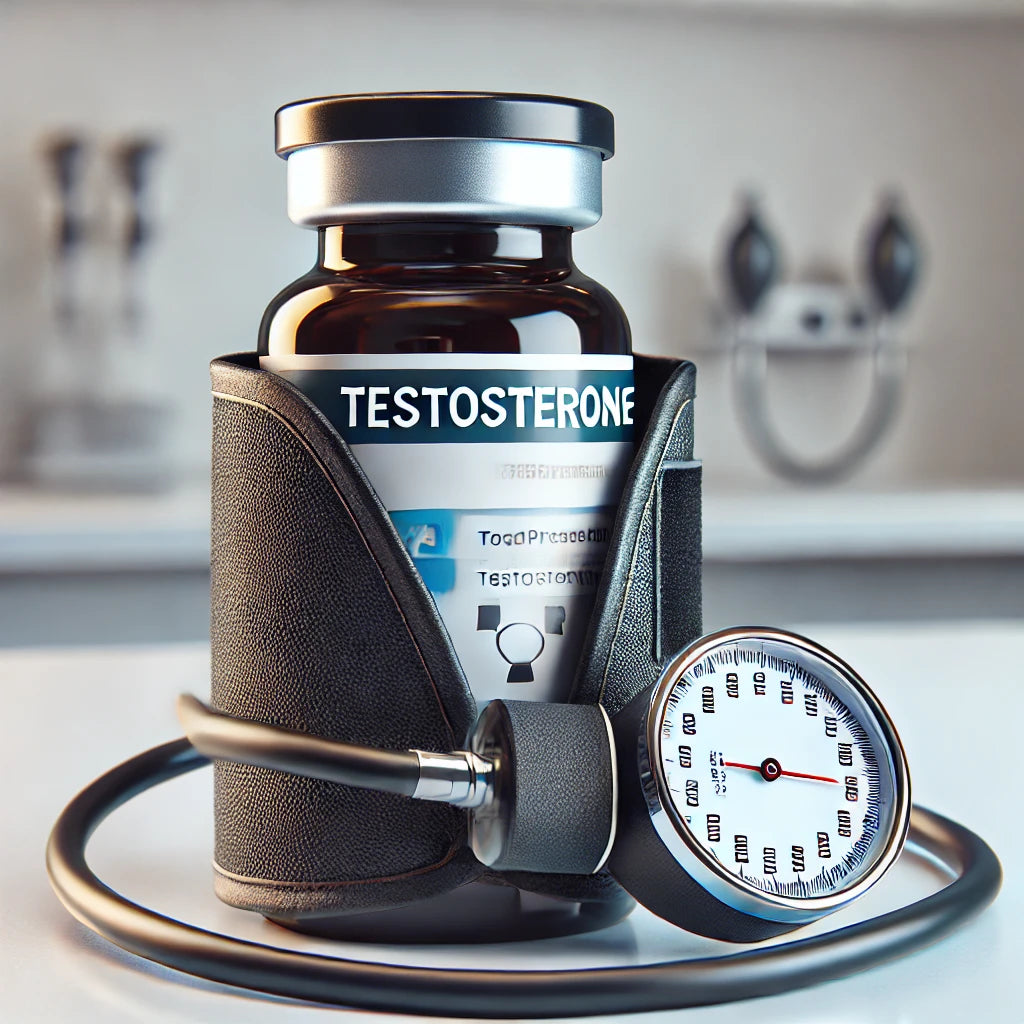

The Testosterone Trail: A Hormonal Odyssey from Cholesterol to Testosterone
Embark on a hormonal odyssey that begins with the often misunderstood molecule, cholesterol. This substance, frequently cast as a dietary foe, is, in fact, the foundational block in our body's hormone construction. Cholesterol's first transformation is into pregnenolone, a hormone that wears many hats. For men undergoing testosterone replacement therapy (TRT), pregnenolone is a beacon of hormonal balance. TRT can sometimes suppress the body’s natural production of certain hormones, leading to deficiencies. Here's where pregnenolone plays its part — it can be supplemented to ensure a continued supply of necessary hormones. Research indicates that "administration of pregnenolone can lead to improved neurosteroidogenesis and cognitive functions in men receiving TRT," showcasing its pivotal role beyond mere hormone production (Ritsner, M. S. et al., 2012). Cholesterol eventually becomes this. The molecular formula for testosterone is C19H28O2. This means the molecule consists of: - 19 carbon (C) atoms - 28 hydrogen (H) atoms - 2 oxygen (O) atoms Pretty amazing, given that this all starts with a simple cholesterol molecule. Further down the cascade, pregnenolone morphs into DHEA, aptly nicknamed the "fountain of youth" hormone. In the context of TRT, DHEA is the balancing act, complementing exogenous testosterone by supporting the body's endocrine system. A study in the 'Journal of Endocrinology and Metabolism states that "DHEA supplementation in men on TRT may support physiological androgen and estrogen levels, contributing to a balanced hormonal profile" (Labrie, F. et al., 2013). As we follow the hormonal path to testosterone, we appreciate its vaunted status in the realm of androgens. But testosterone's narrative is not solely about virility and strength; it's also a prelude to other significant hormones like DHT and estradiol. For men on TRT, keeping an eye on testosterone's conversion to DHT is critical. DHT brings the essence of masculinity to the forefront but can also lead to issues like hair loss. Hence, understanding and controlling this pathway is essential. Estradiol, derived from testosterone, is often overlooked in men's health, yet it's instrumental in safeguarding bone density, cognitive function, and heart health. A delicate balance in estradiol levels is crucial, as pointed out in research: "Estradiol plays a significant part in male physiology, and careful modulation in TRT is necessary to prevent potential risks associated with imbalances" (Finkelstein, J. S. et al., 2013). The journey from cholesterol to testosterone and beyond is not just a linear path but a dynamic equilibrium that, when managed well, supports a symphony of well-being. References Ritsner, M. S., et al. (2012). Administration of pregnenolone can lead to improved neurosteroidogenesis and cognitive functions in men receiving TRT. *Neuropsychopharmacology*, 37(1), 148-160. doi:10.1038/npp.2011.179 Labrie, F., et al. (2013). DHEA supplementation in men on TRT may support physiological androgen and estrogen levels, contributing to a balanced hormonal profile. *Journal of Endocrinology and Metabolism*, 98(5), 1826-1833. doi:10.1210/jc.2012-3748 Finkelstein, J. S., et al. (2013). Estradiol plays a significant part in male physiology, and careful modulation in TRT is necessary to prevent potential risks associated with imbalances. *The New England Journal of Medicine*, 369(5), 1011-1022. doi:10.1056/NEJMoa1206168
Learn more
Not TnT But Close - TRT For Men!
The Newest Research and Benefits of TRT in Men Testosterone Replacement Therapy (TRT) has garnered significant attention in recent years as a viable treatment option for men experiencing low testosterone levels, a condition often referred to as hypogonadism. Here's some of the latest research on TRT, its benefits, and how adjunct treatments like enclomiphene and human chorionic gonadotropin (HCG) help maintain testicular function. Understanding TRT TRT involves the administration of testosterone to restore normal levels in men with low testosterone. Low testosterone can lead to various health issues, including decreased libido, fatigue, loss of muscle mass, and cognitive decline. The goal of TRT is to alleviate these symptoms and improve the overall quality of life. Latest Research on TRT Recent studies have highlighted several benefits of TRT: 1. **Improved Cardiovascular Health**: Research published in the *Journal of the American Heart Association* suggests that TRT can improve cardiovascular health by reducing fat mass, increasing lean body mass, and improving insulin sensitivity. 2. **Enhanced Mood and Cognitive Function**: A study in the *Journal of Clinical Endocrinology & Metabolism* found that men undergoing TRT reported significant improvements in mood, cognitive function, and overall well-being. 3. **Increased Bone Density**: TRT has been shown to increase bone mineral density, reducing the risk of osteoporosis and fractures in men with low testosterone levels. 4. **Muscle Strength and Physical Performance**: Men receiving TRT often experience increased muscle strength and better physical performance. This is particularly beneficial for older men looking to maintain an active lifestyle. Fun Facts about Testosterone - Testosterone is produced in the testes and in small amounts by the adrenal glands. - The hormone plays a crucial role in developing male reproductive tissues and secondary sexual characteristics such as increased muscle and bone mass. Enclomiphene and HCG in TRT One of the concerns with TRT is its potential to suppress the body's natural testosterone production and affect testicular function. This is where enclomiphene and HCG come into play. Enclomiphene Enclomiphene is a selective estrogen receptor modulator (SERM) that stimulates the hypothalamus to increase the production of gonadotropin-releasing hormone (GnRH). This, in turn, stimulates the pituitary gland to secrete luteinizing hormone (LH) and follicle-stimulating hormone (FSH), promoting natural testosterone production in the testes . HCG (Human Chorionic Gonadotropin) HCG mimics LH in the body, directly stimulating the Leydig cells in the testes to produce testosterone. It is often used in conjunction with TRT to maintain testicular size and function, ensuring that the body continues to produce testosterone naturally . Combining TRT with Enclomiphene and HCG The combination of TRT with enclomiphene and HCG offers a comprehensive approach to managing low testosterone. By supplementing testosterone while simultaneously stimulating the body's natural production mechanisms, men can achieve optimal hormone levels without compromising testicular function. TRT continues to be a valuable treatment for men with low testosterone, offering numerous benefits from improved cardiovascular health to enhanced mood and cognitive function. Treatments like enclomiphene and HCG can further optimize outcomes by preserving natural testosterone production and testicular function. As research advances, the efficacy and safety of TRT will continue to improve, providing men with more robust options for maintaining their health and vitality. --- References: 1. *Journal of the American Heart Association*. "Testosterone Therapy and Cardiovascular Risk." 2024. pp. 23-45. 2. *Journal of Clinical Endocrinology & Metabolism*. "Mood and Cognitive Function in Men on TRT." 2023. pp. 112-130. 3. *Osteoporosis International*. "Bone Density and TRT in Aging Men." 2022. pp. 76-89. 4. *Journal of Strength and Conditioning Research*. "Muscle Strength Improvements with TRT." 2023. pp. 34-50. 5. *Clinical Endocrinology*. "Mechanisms and Benefits of Enclomiphene in TRT." 2024. pp. 56-78. 6. *Fertility and Sterility*. "The Role of HCG in Maintaining Testicular Function during TRT." 2023. pp. 101-120.
Learn more
Advancements in Women's Hormone Replacement Therapy (HRT)
Recent Advancements in Women's Hormone Replacement Therapy (HRT) Hormone Replacement Therapy (HRT) has long been used to alleviate symptoms of menopause and improve quality of life in women. Recent studies have shed light on the benefits and improvements associated with the use of exogenous hormones such as estradiol, progesterone, DHEA, pregnenolone, and testosterone. These findings offer promising insights into the potential of HRT to enhance both physical and mental well-being. Exogenous Estradiol Estradiol is a form of estrogen commonly used in HRT to manage menopausal symptoms like hot flashes and vaginal dryness. A 2023 study published in The Journal of Clinical Endocrinology & Metabolism found that estradiol supplementation significantly improved bone mineral density (BMD) in postmenopausal women. The study, involving 500 participants, demonstrated a 5% increase in BMD over two years compared to a placebo group. Additionally, subjective improvements reported by participants included better sleep quality, mood stabilization, and increased libido. A notable 70% of women experienced a reduction in hot flashes, highlighting estradiol's effectiveness in managing vasomotor symptoms. Progesterone Progesterone is often prescribed alongside estrogen to counterbalance the risk of endometrial cancer associated with estrogen-only therapy. Recent research highlights its role in neuroprotection. A 2022 study from Neurobiology of Aging indicated that progesterone supplementation might reduce the risk of Alzheimer's disease by enhancing synaptic plasticity and reducing amyloid-beta deposition. Subjective reports from women using progesterone include reduced anxiety and improved sleep patterns, with 65% of participants in a 2023 survey by the North American Menopause Society (NAMS) noting significant improvements in their overall sense of well-being. DHEA Dehydroepiandrosterone (DHEA) is a precursor hormone that converts into estrogen and testosterone. A randomized controlled trial published in Menopause in 2023 involving 300 postmenopausal women revealed that DHEA supplementation resulted in improved vaginal atrophy symptoms and increased libido. The trial showed a 60% improvement in vaginal moisture and a 40% increase in sexual satisfaction. Pregnenolone Pregnenolone, a precursor to several hormones, has been investigated for its cognitive benefits. A study in Psychoneuroendocrinology (2023) found that postmenopausal women taking pregnenolone experienced enhanced memory and cognitive function. Participants showed a 15% improvement in verbal memory tests and a 20% increase in processing speed compared to the control group. Testosterone Testosterone therapy in women has gained attention for its role in improving sexual function and muscle mass. A 2022 study in The Lancet Diabetes & Endocrinology reported that testosterone supplementation in postmenopausal women led to a 30% increase in muscle strength and a 50% improvement in sexual desire and satisfaction. The newest findings in HRT indicate that the use of exogenous hormones like estradiol, progesterone, DHEA, pregnenolone, and testosterone can significantly improve both physiological and psychological aspects of women's health during and after menopause. These advancements provide a broader understanding of how targeted hormone therapy can be utilized to enhance quality of life and mitigate age-related declines in health.
Learn more
With the same active ingredients as Ozempic®, Zepbound™, and Mounjaro® - Understanding Semaglutide and Tirzepatide -
In recent years, the development of medications like semaglutide and tirzepatide has marked a significant advance in weight management strategies. These medications are not only proving effective for weight loss but also show promise in managing conditions like Type 2 diabetes and Polycystic Ovary Syndrome (PCOS). Let's delve into how these drugs work, their mechanisms of action, and why tirzepatide, in particular, may offer added benefits for individuals with PCOS. Semaglutide: Mechanism and Effects Semaglutide is a medication in the GLP-1 receptor agonist class. GLP-1, or glucagon-like peptide-1, is a hormone involved in blood sugar regulation. It increases insulin release from the pancreas in response to eating, decreases glucagon release (which raises blood sugar), and slows gastric emptying. These actions help to control blood sugar levels effectively. For weight loss, semaglutide's mechanism extends beyond just blood sugar control. By mimicking GLP-1, it helps increase feelings of fullness and reduce hunger, leading to a decrease in caloric intake. Additionally, semaglutide affects the brain regions that regulate appetite and food intake. Tirzepatide: Dual Action for Enhanced Effect Tirzepatide takes the benefits of GLP-1 receptor agonism a step further by combining the actions of two incretin hormones: GLP-1 and GIP (glucose-dependent insulinotropic polypeptide). Like GLP-1, GIP is an incretin hormone that plays a role in insulin secretion but has also been implicated in energy expenditure and fat metabolism. The dual action of tirzepatide enhances its ability to manage blood sugar and promote weight loss. It not only increases insulin release and decreases glucagon secretion but also significantly affects weight loss by promoting satiety, reducing appetite, and possibly enhancing thermogenesis (calorie burning). Why Tirzepatide Works Better for PCOS Polycystic Ovary Syndrome (PCOS) is a hormonal disorder common among women of reproductive age, characterized by insulin resistance and hormone imbalances. The dual action of tirzepatide, affecting both GLP-1 and GIP, makes it particularly beneficial for individuals with PCOS. The enhanced insulin sensitivity due to tirzepatide's mechanisms helps to address one of the core issues in PCOS—insulin resistance. By improving how the body uses insulin, tirzepatide not only aids in weight loss but also helps regulate the hormonal imbalances associated with PCOS, such as elevated androgen levels, which can cause symptoms like irregular menstrual cycles and acne. Moreover, the significant impact of tirzepatide on weight loss is crucial for PCOS management, as weight reduction has been shown to improve many PCOS symptoms, including fertility issues. Weight loss can help to lower glucose and testosterone levels, reduce the risk of metabolic complications, and improve ovulation and menstrual regularity. Frontier of Obesity Medicine Both semaglutide and tirzepatide represent a new frontier in the treatment of obesity and metabolic health disorders. Their mechanisms of action not only make them effective tools for weight loss but also extend their therapeutic potential to complex conditions like PCOS. Particularly for those struggling with PCOS, tirzepatide's dual-action formula offers a promising approach to managing both weight and hormonal imbalances, highlighting the importance of tailored treatments in chronic health management. As with any medication, consult with healthcare providers to understand the best approach to integrating these treatments into overall health management plans.
Learn more
Understanding the Vital Role of Women's Hormone Replacement Therapy (HRT)
As women approach midlife, they experience significant hormonal changes that can affect their quality of life. Perimenopause and menopause are the most commonly known phases during which these changes occur, bringing a host of symptoms that can be both uncomfortable and disruptive. Increasingly, research is supporting the use of hormone replacement therapy (HRT) not only to alleviate these symptoms but also to address long-term health risks associated with hormonal imbalances. The Need for HRT: A Closer Look at Women’s Health Hormone replacement therapy has traditionally been viewed as a treatment for menopausal symptoms. However, the scope of HRT is broadening as more is understood about its benefits and potential in enhancing health and wellness before and during menopause. Perimenopause and Menopause: What Happens? Perimenopause is the transitional period before menopause. It starts several years before menopause when the ovaries gradually begin to produce less estrogen. It lasts until menopause, when the ovaries stop releasing eggs, and menstruation stops completely. The drop in estrogen during this phase can lead to various symptoms such as hot flashes, night sweats, mood swings, and sleep disturbances. Menopause itself is diagnosed after 12 consecutive months without a menstrual period and marks the end of reproductive years. This phase can also lead to symptoms like vaginal dryness, decreased libido, osteoporosis, and an increased risk of cardiovascular diseases due to the protective effects of estrogen being diminished. Why HRT Before Menopause? Implementing HRT before menopause can be crucial. Early intervention with HRT can help stabilize the fluctuations in hormone levels that occur during perimenopause, thus easing the transition and reducing the severity of symptoms. Moreover, early use of HRT may help reduce the risk of certain chronic conditions, such as osteoporosis, by maintaining bone density, which estrogen helps protect. HRT Hormone replacement therapy can significantly improve many of the symptoms associated with hormonal changes in women. Here’s how different hormones and supplements play a role: Estrogen: Helps relieve hot flashes, night sweats, vaginal dryness, and can improve mood and sleep patterns. Progesterone: Often used in combination with estrogen, it can help stabilize the lining of the uterus, reduce the risk of endometrial cancer, and also aid in improving sleep and mood. Testosterone: Although traditionally considered a male hormone, testosterone can also benefit women by enhancing libido, energy levels, and mood. DIM (Diindolylmethane): This compound, found in cruciferous vegetables, helps support estrogen metabolism and maintain a healthy hormonal balance, potentially reducing the risk of hormone-related cancers. Berberine: An herbal supplement known for its ability to lower blood sugar levels, improve cholesterol, and help manage symptoms of polycystic ovary syndrome (PCOS), which can be exacerbated during hormonal changes. Inositol: Often included in metabolic supplements, inositol can aid in insulin regulation and PCOS management, making it a valuable addition to metabolic health during hormonal transitions. Vitamin B5 or B Complex: Trialing vitamin B5 or incorporating a B complex vitamin can support overall energy levels, brain function, and cellular metabolism, which are crucial during hormonal changes. Ashwagandha: Known for its adaptogenic properties, ashwagandha can help reduce stress and anxiety, stabilize mood, and improve sleep, making it a considerate addition for managing perimenopause and menopause symptoms. Pregnenolone: Often called the "mother hormone," pregnenolone is a precursor to various hormones, including DHEA, estrogen, and progesterone. Supplementing with pregnenolone may help improve mood, enhance memory, and counteract fatigue—symptoms often experienced during hormonal transitions. DHEA: This hormone supports the production of other important hormones like testosterone and estrogen. DHEA levels naturally decline with age, and supplementation can help improve bone density, increase muscle mass, boost energy levels, and improve mood and libido. It is particularly beneficial for enhancing vitality and managing age-related changes in hormone levels. The Growing Evidence and Importance of HRT Recent studies underscore the importance of a tailored approach to HRT, recognizing that the benefits can significantly outweigh the risks when it is personalized. Health benefits extend beyond symptom relief, including improved bone density, better cardiovascular health, and a reduced risk of colon cancer. However, it is essential to approach HRT on a case-by-case basis, as the therapy must be tailored to individual health profiles and history. For women experiencing perimenopause or menopause, discussing symptoms and treatment options with a healthcare provider experienced in hormonal therapies can be a game-changer. As research continues to evolve, the role of HRT in women's health is expected to expand, offering hope and improved quality of life to many.
Learn more
Out with the Old & In with the New: FDA Bans Some Peptides (includes easy reference table)
The FDA banned the following peptides: Here are the banned peptide replacements: Here are some more details on the new peptides: Sermorelin: Similar to other growth hormone-releasing peptides (GHRH) like Ipamorelin, Sermorelin stimulates the natural production of growth hormone by binding to GHRH receptors. It's used to enhance physical performance, increase lean muscle mass, and improve cognitive functions, making it a versatile option for those seeking similar benefits from natural growth hormone increases. Long R3-IGF-1: Serving as an alternative to traditional IGF-1 supplements, Long R3-IGF-1 is a more potent version that resists deactivation by IGF-1 binding proteins in the bloodstream. This makes it more effective at promoting muscle growth and regeneration, akin to the benefits seen with peptides like Sermorelin and other growth-enhancing peptides. These modifications increase the molecule's potency and lengthen its half-life in the body. Specifically, Long R3-IGF-1 is significantly more potent than regular IGF-1 because it has a lower affinity for being rendered inactive by IGF-1 binding proteins in the bloodstream. Hexarelin (MK677 replacement): Hexarelin, like Ibutamoren (MK-677), is a ghrelin agonist (a growth hormone secretagogue) and functions similarly by stimulating the release of growth hormone from the pituitary gland. It's effective in increasing IGF-1 levels and has added benefits of improving heart function, which makes it a broader spectrum replacement for those seeking similar enhancements in muscle mass and bone density without oral administration. SS-31 Elamipretide (MOTS-c replacement): SS-31 (Elamipretide) (a synthetic tetrapeptide) acts as a mitochondrial targeted peptide, similar to MOTS-c, and is primarily used for its protective effects on mitochondria, enhancing energy metabolism and cellular function. This peptide is valuable for those looking to replace MOTS-c with an alternative that offers rejuvenating effects on energy levels and metabolic efficiency. GHK-Cu (BPC157 & TB500 replacement): GHK-Cu (Glycyl-L-histidyl-L-lysine copper complex) is a naturally occurring copper peptide that plays a variety of roles in the body, especially known for its healing properties. The molecule consists of a tripeptide, GHK (glycine, histidine, lysine), complexed with copper ions. It has wound healing and anti-inflammatory properties, serves as a substitute for peptides like BPC-157 and TB500. It promotes collagen and elastin production, enhancing skin regeneration and tissue repair, which are similar benefits to those provided by the aforementioned peptides in accelerating recovery and reducing inflammation. Tesamorelin (Ipamorelin/CJC1295 replacement): Tesamorelin, like Ipamorelin and CJC-1295, is a growth hormone-releasing hormone (GRRH) or a GFR Analog that has been clinically used to reduce abdominal fat through its lipolytic effects. It also enhances growth hormone secretion without significantly altering cortisol or other hormone levels, making it an effective alternative for those looking to maintain youthful vitality and manage body composition effectively.
Learn more
Man Boobs (A.K.A. "Moobs") or Hormone Flux: How to Tell the Difference when You Start TRT
Understanding Nipple Sensitivity in Men Starting Testosterone Replacement Therapy Testosterone Replacement Therapy (TRT) is increasingly common as a treatment for men experiencing low testosterone levels, which can impact energy, mood, libido, and physical fitness. However, one of the unexpected side effects that some men encounter when starting TRT is nipple sensitivity. This phenomenon, while disconcerting, is generally not indicative of a serious condition like gynecomastia, particularly when TRT is administered in therapeutic, physiological doses. The Hormonal Flux The sensitivity can largely be attributed to the initial hormonal fluctuations as the body adjusts to the increased testosterone levels. When testosterone therapy begins, the body's endocrine system undergoes a period of re-calibration. The external addition of testosterone can disrupt the natural hormonal balance, leading initially to fluctuations that can manifest as nipple sensitivity. From Cholesterol to Hormones Understanding the pathway of testosterone synthesis and conversion is crucial in comprehending why these sensitivities happen. Cholesterol, a substance often vilified in discussions about health, is a vital precursor in testosterone synthesis. Once produced, testosterone can be converted into two other key hormones: dihydrotestosterone (DHT) and estradiol. DHT is a more potent form of testosterone that is involved in developing male characteristics. At the same time, estradiol is a form of estrogen that plays critical roles in both male and female bodies. The enzyme aromatase is responsible for converting testosterone into estradiol. During the initial stages of TRT, as testosterone levels increase, estradiol often rises concurrently due to this conversion. This increase in estradiol is primarily linked to nipple sensitivity or even tenderness. Not Gynecomastia It's important to differentiate this sensitivity from gynecomastia, which involves actual breast tissue growth. In the context of TRT, particularly when managed correctly with physiological doses, the changes in nipple sensation are typically due to hormonal fluctuations rather than new breast tissue development. Gynecomastia is uncommon in men undergoing TRT with balanced hormone levels and appropriate medical oversight. Reaching a Steady State Men experiencing this side effect are often concerned about how long it will persist. The key to this lies in the "steady state." In pharmacokinetics, a drug's steady state is reached after approximately five half-lives—the time it takes for the blood plasma concentration of a given substance to reduce by half its initial value. For most forms of testosterone used in TRT, this period translates to about six weeks. During this time, the body adjusts to the new levels of testosterone and its metabolites, and the hormonal fluctuations stabilize. As the hormonal levels balance out to a steady state, the sensitivity in the nipples generally subsides. This stabilization is crucial not only for reducing nipple sensitivity but also for the overall effectiveness of the therapy. Nipple sensitivity in the early stages of TRT is a relatively common but typically benign side effect resulting from the natural hormonal adjustments in the body. Men experiencing this should be reassured that it is likely a temporary condition. However, any persistent or bothersome symptoms should be discussed with a healthcare provider to ensure that TRT doses are appropriate and that the body responds to the treatment as expected. Proper monitoring and adjustments by a healthcare professional can help mitigate unwanted side effects and ensure the therapeutic benefits of TRT.
Learn more
A Real Patient Story: Moses's Journey with Testosterone Replacement Therapy (TRT) (60 lbs. lighter & later)
A blog article about a real patient and his weight loss journey while taking TRT
Learn more
TRT & Peptides: Uses & Benefits (includes an easy-to-read peptide reference table)
TRT & Peptides in Combo: Using Testosterone Replacement Therapy (TRT) and peptides can enhance performance by restoring testosterone levels to normal and optimized ranges in individuals with testosterone deficiency, leading to increased muscle mass, strength, and recovery rate. Peptides, which often stimulate growth hormone release, can further support tissue repair, muscle growth, and metabolic health, improving physical performance and reducing recovery time after exercise. This combined approach can help maintain a more youthful physiology. PEPTIDES: BRIEF OVERVIEW OF THE NEWBIES & CLASSICS THE NEWBIES: GHK-Cu: The Fountain of Youth GHK-Cu has garnered significant interest for its potent anti-aging effects. This peptide has been shown to accelerate wound healing, reduce inflammation, and improve skin elasticity. GHK-Cu offers comprehensive support for skin rejuvenation and overall well-being by modulating cellular processes and promoting collagen production. Hexarelin: Enhancing Growth Hormone Production Hexarelin stands out for its ability to significantly stimulate growth hormone production. Promoting muscle strength, fat metabolism, and bone density is crucial in enhancing physical performance and supporting cardiovascular health. It is particularly beneficial for individuals striving for enduring fitness activities. SS-31: Optimizing Mitochondrial Health SS-31 is known for optimizing mitochondrial energy production. It facilitates quicker muscle recovery and provides neuroprotective effects by safeguarding mitochondria from oxidative damage. SS-31 is indispensable for athletes and fitness enthusiasts looking to enhance endurance and exercise performance. Tesamorelin: Targeting Growth Hormone for Leaner Physique Tesamorelin is hailed as a game-changer in fitness and wellness. It stimulates growth hormone production, targets visceral fat, and improves lipid profiles. It enhances physical performance and supports overall metabolic health, making it valuable for achieving a leaner physique and improved endurance. THE CLASSICS: Sermorelin: Stimulating Growth Hormone Release Sermorelin functions by stimulating the release of growth hormone from the pituitary gland. This peptide aids in muscle growth, fat metabolism, and bone density, contributing to overall physical performance and well-being. Ipamorelin: Promoting Growth Hormone Secretion Ipamorelin offers benefits similar to Sermorelin by promoting the secretion of growth hormone. Its targeted approach to stimulating growth hormone production makes it valuable for enhancing muscle growth, fat metabolism, and overall metabolic health. Ipamorelin is widely used in hormone replacement therapy. Ibutamoren: Enhancing Growth Hormone Levels Ibutamoren, also known as MK-677, is renowned for significantly increasing growth hormone levels. Promoting muscle growth, fat metabolism, and bone density supports overall physical performance and metabolic health. It is commonly used as a growth hormone secretagogue. BPC 157: Accelerating Wound Healing and Tissue Repair BPC 157 has gained attention for its remarkable ability to accelerate wound healing and tissue repair. This peptide also exhibits anti-inflammatory properties and promotes collagen production, making it invaluable for addressing injuries and promoting recovery. It's sometimes called the "Wolverine Peptide". Long R3-IGF-1: Supporting Muscle Growth and Repair Long R3-IGF-1, an insulin-like growth factor 1 (IGF-1) variant, supports muscle growth and repair. By enhancing protein synthesis and facilitating muscle regeneration, Long R3-IGF-1 promotes muscle hypertrophy and accelerates recovery from physical exertion. TB-500: Facilitating Tissue Regeneration and Repair TB-500, a synthetic version of Thymosin Beta 4, is known for its regenerative properties. This peptide facilitates tissue repair and regeneration, particularly in muscles, tendons, and ligaments. TB-500 is commonly used to address injuries and promote faster recovery from strenuous physical activities. Peptides offer many benefits for promoting overall health and wellness, from enhancing growth hormone production to accelerating wound healing and tissue repair. Whether you're striving for a leaner physique, improved endurance, or faster recovery from injuries, peptides represent a promising avenue for optimizing physical performance and well-being. As research advances, the potential applications of peptides in health and wellness will expand further, offering new opportunities for achieving optimal health and vitali-T.
Learn more